People give to people

No district. No approval chain. No waiting.

Travel ball, Pop Warner, cheer, dance, 4-H, scouts — you answer to your families, not a procurement office. You could be raising money this weekend.

Set up tonight. First videos out tomorrow.

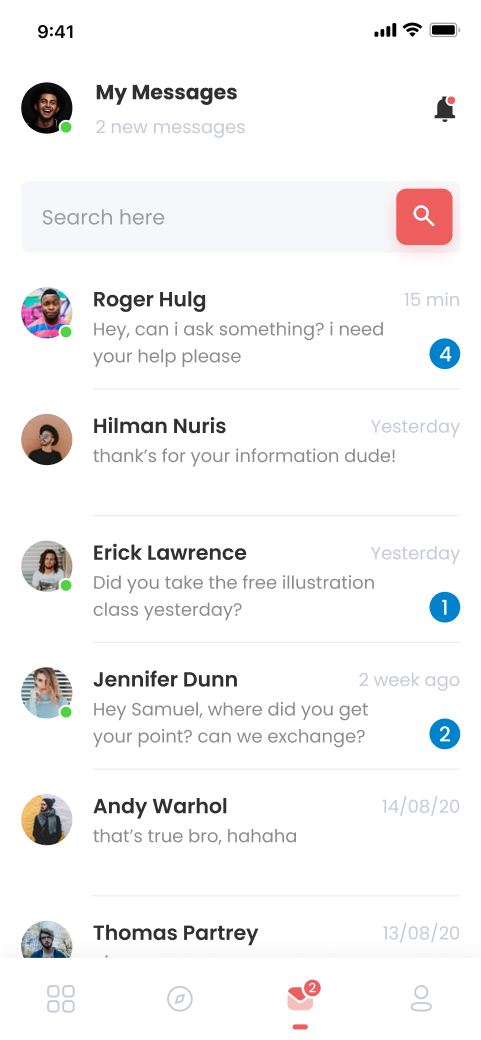
DM
Dana M.
Today 6:40 PM
Aunt Ruth — Kayla recorded this for you before practice.
Delivered

You've gotten that text.

A number you don't recognize. A kid's name you do. A link, and nothing else — what the money's for, who's behind it, whether it's even real. You had to ask around before you gave.

Coaches hate sending it. Parents say it feels like begging. The kids have zero skin in the game — most of them don't even know it went out. And the same fifty people get the same text from every family, every season, every year.

Everyone involved knows it's broken. It's just what the platforms sell.

The number that matters

Your real problem isn't the platform. It's the third of families who never send anything.

They don't skip the fundraiser because they don't care. They skip it because forwarding that blast text to their own friends feels like begging.

Sending a video of your own kid doesn't. That's the whole trick — parents already record their kids constantly. This is the same phone and the same instinct, pointed at the season's actual goal.

The families who used to sit out are the ones this was built for.

How it works

Ten minutes, start to finish.

Step 1

Your kid talks

You hold the phone. They say what they're working toward and what the money's actually for. Thirty seconds, and the second take is usually the one.

Step 2

You hit send

From your phone, through your texts. Grandma sees your name, not ours.

Step 3

They give in about a minute

Your kid's video, your organization's page, no app, no account.

Step 4

Your kid says thank you

By name, on camera, to the person who gave. And when the season ends the way you're hoping it does — everyone who helped gets to see that too.

Family Hub

That's one kid.

Now — soccer for one, band for the other, robotics starts in the spring, and their dad needs to see the campaign for exactly one of those.

The Family Hub was built for your actual family. One account, every kid, every team, every year. Share a campaign with a co-parent without opening up the rest.

Nothing to reconcile in a spreadsheet. No group text with forty parents in it.

The shy one

“Mine would rather die than be on camera.”

Fine. She doesn't have to be.

Two teammates can record together. The whole team can do one video at practice. She can talk over game footage without showing her face. Or you record it yourself — plenty of parents do.

There's no one right way to ask. There's just asking like a person instead of a link.

The safest way for a kid to ask.

Village collects no student information. Kids don't have accounts — parents do. Every message comes from a parent's own phone to people they chose, and organization leaders see every video before or after it goes anywhere.

6% + transaction fees

That's the whole sentence.

No call with a rep to find out. No rate that climbs if participation is low. No "tip" quietly added to your donors' gifts.

The money lands in your organization's own Stripe account — we never hold it. And your treasurer can trace every dollar back to a name, from our reports or straight out of Stripe.

Our story

The text that started this came from my own nephew.

Or someone said it was him. I couldn't tell — so I called my sister, and she didn't know where the money was going either. I gave anyway. Never got a receipt. Never got a thank you.

I've raised money for kids' organizations for twenty-seven years. That text broke every rule I've ever taught.

If you're still fundraising with a link and a prayer, you deserve better. So do the kids.

Make the ask feel like one.

Village app ready to use
Village fundraising platform